From One Beehive to a Recognized Island Brand
Interview with Sandra Marčić, OPG Marčić, Bol on Brač
Sabatina, November 7, 2025
At this year's Sabatina, we spoke with Sandra Marčić, head of OPG Marčić from Bol on Brač, whose products carry the label Croatian Island Product. From a single beehive grew a story of dedication, knowledge, loss, and resilience in island entrepreneurship, deeply rooted in Brač nature and tradition.
Mrs. Marčić, how did your family farm story begin?
It started out of pure love for bees. I spent two years persuading my husband to get me bees. I had almost given up, thinking it wouldn't happen. Then in 2013, he surprised me for my birthday with one swarmed hive. Honestly, he probably thought it would last six months. But the opposite happened - I fell completely in love.
Today we have around 80 hives, all originating from that single one. We didn't buy any bee colonies - only hives, wood, and knowledge. We developed, multiplied, and learned everything ourselves.
Your hives are visually unique too?
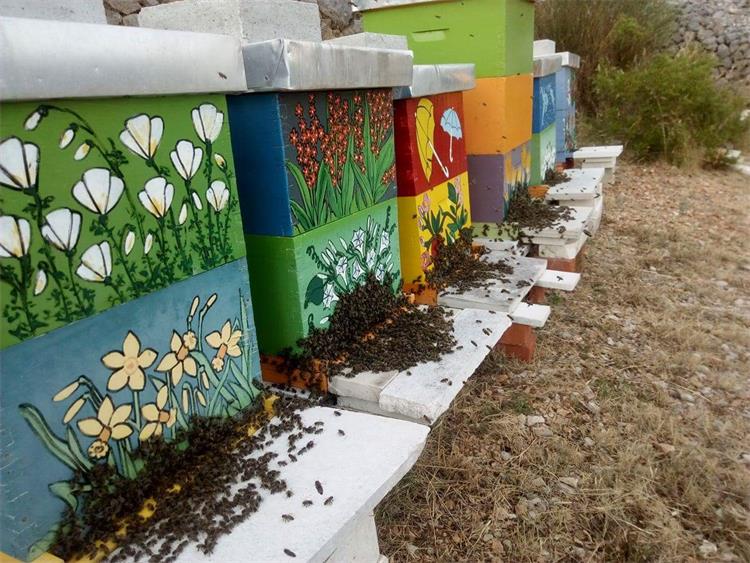
Yes, each one is hand-painted. Featuring cartoon characters, Mediterranean plants… It's my way of showing how much bees mean to me. They aren't just production; they are part of our lives.
Where does this strong connection to nature come from?
It's always been inside me. I loved herbal teas, macerates, soaps, plants, handcrafting, recycling. To me, the bee symbolizes nature. If bees vanish, we vanish too. It's that simple.
How did your husband join the story?
Initially, he helped physically - lifting, carrying, handling heavy work. But gradually he fell in love with it too. He worked as an economist in a hotel, holding a stable, well-paid job, but in 2018 he resigned. Bees completely won him over. Today we work together on everything.
Where are your apiaries located?
In Bol, we have two apiaries and stationary hives. We don't move them. Brač has an exceptional climate almost year-round making this possible. Summer drought presents challenges in July and August, but we leave enough honey for the bees and adapted.
Why did you develop such a diverse product range?
Coastal beekeeping differs entirely from continental beekeeping. We don't have agricultural fields, meadows, or forests. We only have wild, medicinal herbs and pine, which bees don't forage. Yields are small - 15 to 20 kg per hive in a good year, compared to 60 or 90 kg inland.
We even went three consecutive years without a single spoonful of honey due to drought. But I refused to give up the bees. So I asked myself: what else can bees provide?
Is that how you turned to bee venom?
Yes. I began researching bee venom. It's always produced, regardless of weather conditions. It is collected on special glass plates without stress or harm to the bees. They think a hornet entered the hive, sting the glass, wipe off their stinger, and fly away.
Venom dries and is scraped off, yielding a pure, valuable raw material. Collecting 1 gram takes 10 hives and 10–12 thousand stings. It is highly demanding and time-sensitive, requiring specific conditions.
Lab analyses showed outstanding quality - 70% melittin content, placing it among world-class standards.
Why did you decide to use bee venom in cosmetics?
Selling raw venom wasn't profitable due to low wholesale prices. We decided turning our raw material into a finished product was best. Bee venom creams exist worldwide, but they are rare.
Bee venom regenerates skin, reduces inflammation, increases microcirculation, and provides an instant lifting effect - often called natural botox.
You also combined rockrose in the cream?
Yes, because I love plants and wanted the product to embody Brač. Rockrose (cistus) is the first plant growing after forest fires, symbolizing resilience. Waterless island, stone, drought - that's Brač. Rockrose holds strong antibacterial, antivirus, and anti-inflammatory properties, ideal for acne, redness, and hydration. That combination is exceptionally powerful.
What were your toughest moments?
The worst moment was losing around 50 hives in a single varroa treatment due to improper advice. All bees died. We were left with nothing. After three drought years without honey, that hit us.
We hit rock bottom, questioning if we should continue. It took nearly ten years to feel stability for the first time.
What products do you offer today?
We offer:
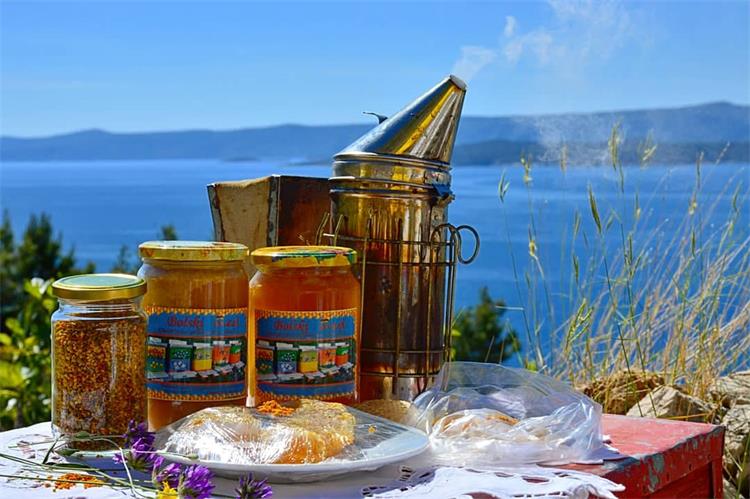
- summer and winter honey from wild medicinal herbs (sage, lavender, thyme, oregano, heather, immortelle, strawberry tree, ivy…)
- immuno honey with pollen and propolis (40% propolis)
- almonds in honey
- dried figs stuffed with almonds and honey - “Lazar”
- traditional cake “Da te prene” based on my grandmother's recipe
- sugar-free gingerbread cookies
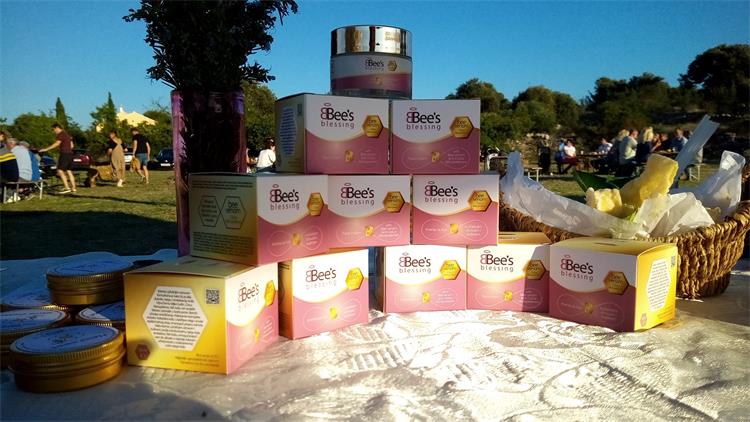
- natural creams with bee venom and rockrose
You highlighted the traditional cake “Da te prene”?
That's my grandmother's cake. She brought it to men who burned stone in lime kilns overnight for slaked lime. It gave them strength and energy. It's wrapped in a bay leaf, just like in old times. That is the story of Brač, stone, and its people.
How much does the Croatian Island Product label mean to you?
Immensely. I contemplated certificates for a long time, but this label was natural - we are an island. It instantly communicates value to guests, boosting sales, recognition, and pride.
What are the biggest challenges for an island family farm?
Shipping. Everything is more expensive; postage often costs more than the item itself, burdening business operations.
What message would you give to youth on the islands?
Islands are full of ideas and possibilities. You don't need to leave. From carob, artichokes, herbs, stone - everything can become a story. It takes willpower, ideas, and love.
